Multilayered amniotic membrane transplantation for tectonic stabilization and symptomatic relief in pediatric post-traumatic corneal thinning: a case report
Medical hypothesis discovery and innovation in ophthalmology,
Vol. 15 No. 2 (2026),
13 August 2026
,
Page 173-178
https://doi.org/10.51329/mehdiophthal1547
Abstract
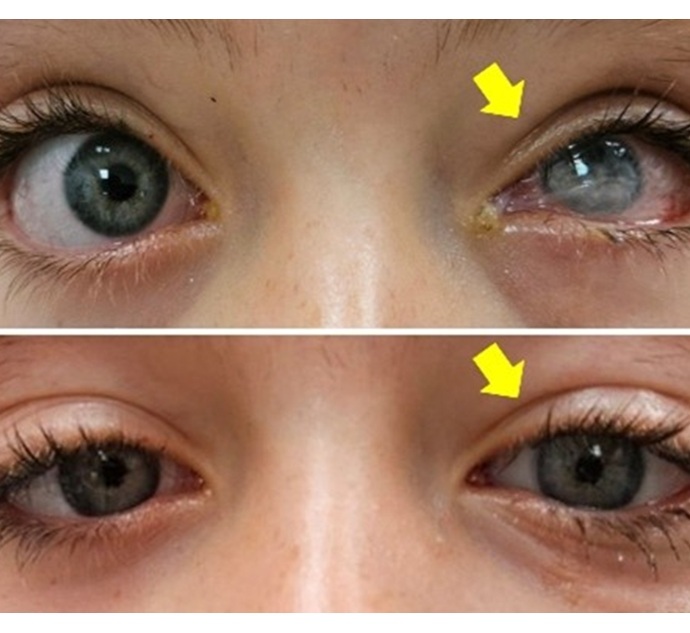
Background: Amniotic membrane transplantation (AMT) is a recognized technique in ocular surface reconstruction. Its application in pediatric patients remains less extensively documented across a range of ocular-surface indications. There is a literature gap regarding its use for rehabilitating symptomatic, post-traumatic corneal thinning with surface irregularity, where the goal shifts from visual recovery to achieving a painless, stable ocular surface amenable to prosthetic fitting. We detail the surgical strategy aimed at achieving rapid surface stabilization and highlight the considerations unique to managing such complex corneal pathology in a pediatric population.Case Presentation: An 11-year-old girl presented with left ocular pain, epiphora, and profound intolerance of a previously fitted ocular prosthesis. Her history was significant for a penetrating corneal injury six years prior that was treated with primary repair. The affected eye subsequently had no light perception and developed progressive corneal opacification, with marked corneal thinning noted at the current presentation. Examination revealed a leukomatous cornea with a linear area of significant stromal thinning and marked surface irregularity, explaining the prosthetic intolerance. After failed medical management, surgical intervention with a two-layer cryopreserved amniotic membrane overlay was performed. Two layers of membrane were secured with absorbable sutures and tailored to the irregular corneal contour. The membrane remained well attached, underwent gradual resorption over the subsequent weeks, and was followed by a smoother, clinically stable corneal surface. This allowed for successful and comfortable refitting of the ocular prosthesis. At the three-month follow-up, the patient was asymptomatic, and the ocular surface remained clinically stable.
Conclusions: In this pediatric patient, a two-layer sutured amniotic membrane overlay was associated with resolution of ocular discomfort, clinical improvement in surface regularity, and successful prosthetic rehabilitation. The clinical objective was patient comfort and prosthetic tolerance rather than improvement in visual acuity. This case suggests that a two-layer sutured amniotic membrane overlay may be considered for selected pediatric patients with symptomatic post-traumatic corneal thinning and surface irregularity; however, its effectiveness and long-term structural outcomes require further evaluation.
- Abstract Viewed: 0 times
- Full Text PDF Downloaded: 0 times


