Systemic and ocular complications related to intravitreal administration of anti-VEGF agents
Medical hypothesis discovery and innovation in ophthalmology,
Vol. 15 No. 1 (2026),
22 April 2026
,
Page 40-68
Abstract
Background: Intravitreal anti-vascular endothelial growth factor (anti-VEGF) injections are the backbone of the treatment of neovascular retinal disorders and among the most frequently performed procedures in ophthalmic practice. This narrative review aims to summarize the current evidence on systemic and ocular adverse events associated with intravitreal anti-VEGF therapy and to reiterate their clinical implications in daily practice.Methods: A structured PubMed/MEDLINE database search was conducted to identify relevant manuscripts published between 1 January 2004 and 31 March 2026. Search strategies included combinations of keywords and controlled vocabulary related to intravitreal anti-VEGF therapy and associated adverse events. Evidence from randomized trials, observational research, meta-analyses, experimental models, and case reports or series were included to provide a broad perspective.
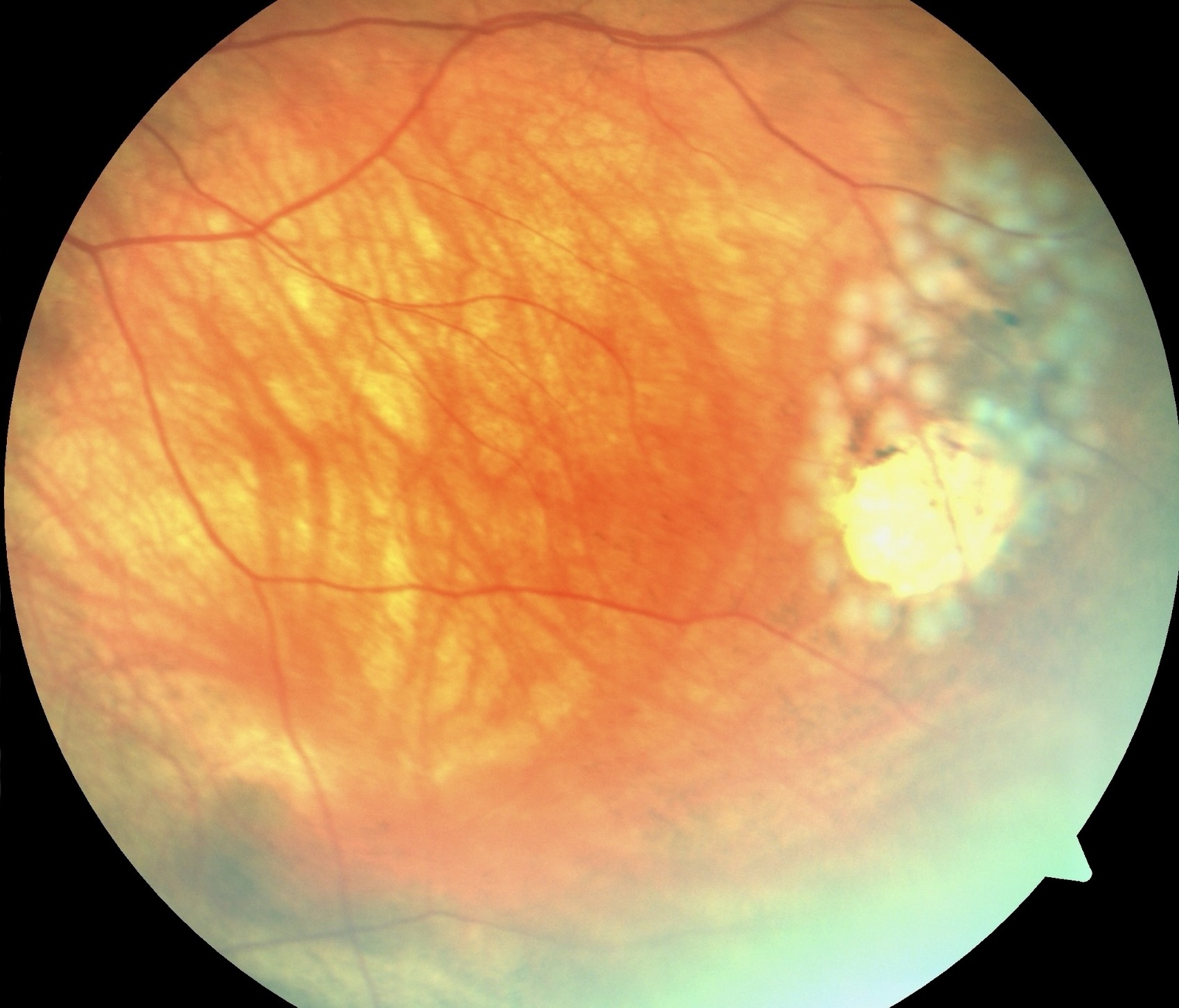
Results: Systemic adverse events associated with intravitreal anti-VEGF therapy appear to be uncommon; however, potential cardiovascular events, blood pressure alterations, and renal effects have been reported, particularly in patients with preexisting vascular risk factors. Ocular complications represent the most frequently discussed as safety concerns. Sterile intraocular inflammation is among the most clinically relevant events and may range from mild self-limited reactions to severe inflammatory blinding conditions such as occlusive retinal vasculitis. Distinguishing sterile inflammation from infectious endophthalmitis is critical, as clinical management and prognosis differ substantially. Elevation of intraocular pressure is another frequently observed complication and may present either as a transient spike occurring immediately after the injection or as sustained ocular hypertension following repeated treatments. Additional ocular complications reported in the literature include rhegmatogenous retinal detachment, retinal tears, retinal vascular occlusions, cataract formation, and retinal pigment epithelium tears.
Conclusions: Although intravitreal anti-VEGF therapy is generally safe, a wide variety of ocular and systemic adverse events has been described. Timely recognition and individualized monitoring strategies are key to excel in treatment safety and achieve better visual outcomes.
- Abstract Viewed: 0 times
- Fyll text PDF Downloaded: 0 times


